
660-3800 MHz Multi-Band Antennas for LTE/5G, GSM-R & FRMCS
Multi-band antennas 660–3800 MHz for modern cellular networks and underground coverage. This catalog groups Protel solutions engineered for wideband operation across key mobile bands used worldwide for 2G / 3G / 4G LTE / 5G, including GSM-R railway services and the evolution toward FRMCS.
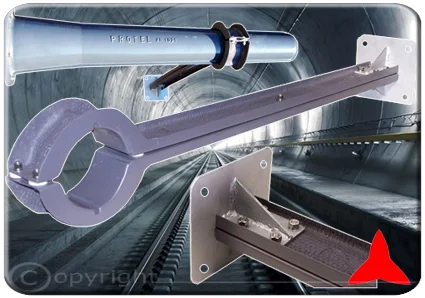
These antennas are typically selected for challenging propagation environments where reliability matters: road and motorway tunnels, railway tunnels, metro tunnels, underground stations and platforms, technical galleries and utility tunnels, as well as underground car parks and complex indoor infrastructures.
- Tunnel & underground coverage: focused patterns, stable performance and robust mechanics.
- DAS / repeaters / donor links: directional and compact solutions for indoor/outdoor coverage projects.
- Protection options: available configurations with flame retardant fiberglass radome for demanding installations.
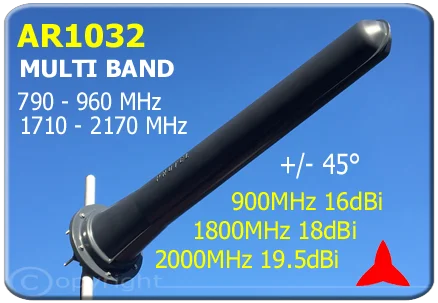
AR1032 Yagi antenna 790÷960 MHz 1710÷2170 MHz Gain 900 MHz 16 dBi Gain 1800 MHz 18 dBi Gain 2000 MHz 19.5 dBi LTE - GSM 900 - GSM-R GSM1800 - UMTS
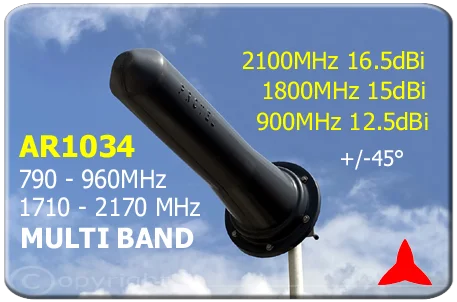
AR1034 Yagi antenna 790÷960 MHz 1710÷2170 MHz Gain 900 MHz 12.5 dBi Gain 1800 MHz 15 dBi Gain 2100 MHz 16.5 dBi LTE - GSM 900 - GSM-R GSM1800 - UMTS
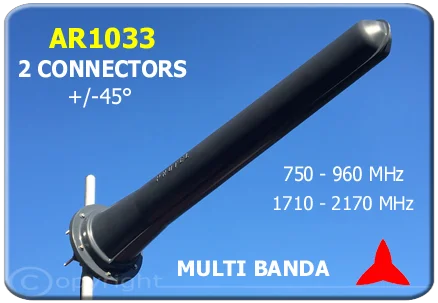
AR1033 Yagi antenna 750÷960 MHz 1710÷2170 MHz 2 CONNECTORS Pol. +/- 45° 16 dBi - 18 dBi - 19.5 dBi LTE - GSM 900 - GSM-R GSM1800 - UMTS
AR1038 Yagi antenna 750÷960 MHz 1710÷2170 MHz 2 CONNECTORS Pol. +/- 45° 12.5dBi - 14.5dBi - 16.5dBi LTE - GSM 900 - GSM-R GSM1800 - UMTS
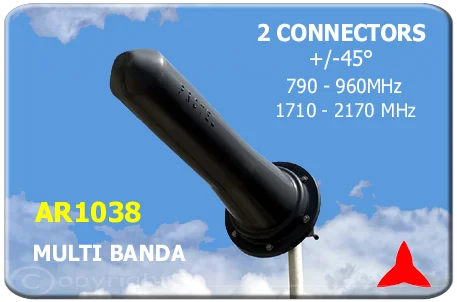
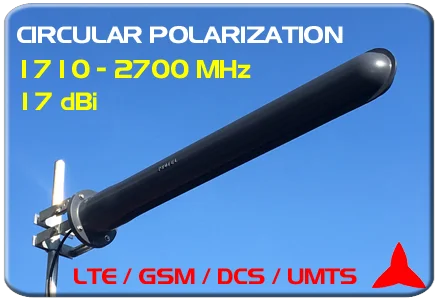
AR1061 1710÷2700 MHz Gain 17 dBi
AR1025 Yagi antenna 790÷960 MHz 1710÷2170 MHz Gain 16.5 dBi Gain 17 dBi LTE - GSM 900 - GSM-R GSM1800 - UMTS
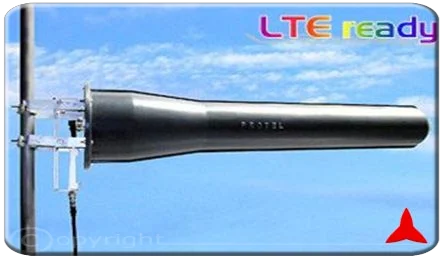
AR1026. Z Log Periodic antenna 870÷2170 MHz Gain 12 dBi GSM 900 - GSM-R GSM1800 - LTE - UMTS
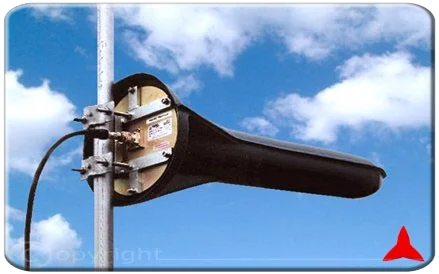
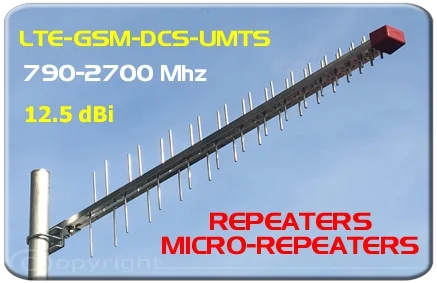
AR1045.1 Log Periodic antenna 690÷2700 MHz Gain 12.5 dBi LTE - GSM 900 - GSM-R GSM1800 - DCS - UMTS - WI-FI
ARP700XZ 790÷960MHz 1710÷2700 MHz Gain 9.5 - 12 dBi LTE - GSM 900 - GSM-R GSM1800 - UMTS - WI-FI
ARO1037 690÷2700 MHz OMNIDIRECTIONAL BROADBAND ANTENNA LTE GSM GSM-R DCS1800 UMTS 5G WI-FI
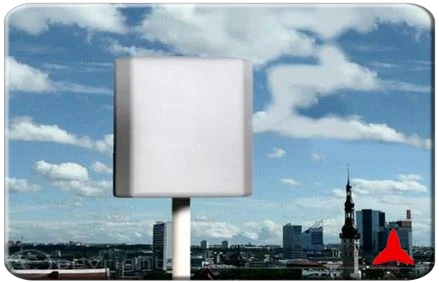
ARP689416XZ Panel antenna 690÷960 MHz 1710÷2700 MHz Gain 7/8 dBi 2G - 3G - 4G - 5G - Wi-Fi
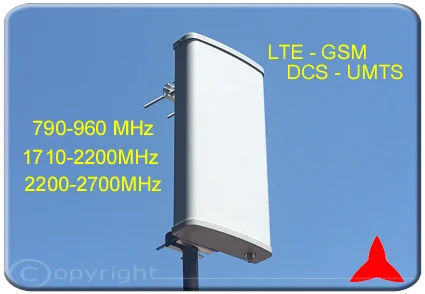
ARP689417XZ Panel antenna 870÷960 MHz 1710÷2500 MHz Gain 7 dBi Gain 10 dBi GSM 900 - GSM-R GSM1800 - UMTS - WI-FI
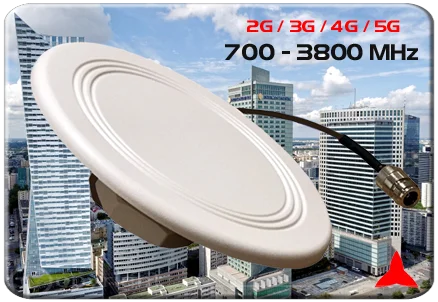
ARO589XZ Omni antenna 700÷960 MHz 1710÷2700 MHz 3300÷3800 MHz Gain 3/4.5 dBi GSM 2G 3G 4G 5G WI-FI
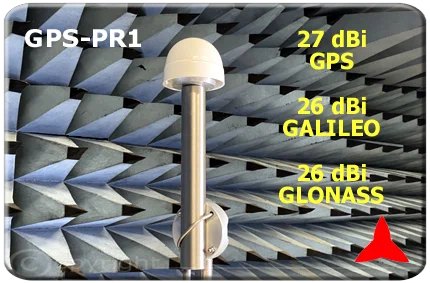
GPS-PR1 GPS antenna 1558÷1605.89 MHz Gain 26/27 dBi GPS GLONASS GALILEO
In multi-operator projects, the 660–3800 MHz range is often the “workhorse” for coverage plans that must combine multiple services in one installation: legacy and migration scenarios (2G/3G), high-capacity LTE/4G layers, and 5G expansions. In railway environments, the same infrastructure may support GSM-R today while preparing the path for FRMCS.
For tunnels and underground sites, antenna choice is usually driven by the geometry of the space and the deployment model: long straight sections, curves and junctions, cross-passages, technical niches, stations, underpasses and service corridors. Depending on the target area and link budget, a solution may involve high-gain directional antennas, broadband log-periodic designs, or compact directional panels for DAS and donor / repeater architectures (indoor and outdoor).
When required by the installation context, protection can be specified with a flame retardant fiberglass radome, supporting long-term reliability in harsh underground conditions (mechanical shocks, dust, humidity and maintenance operations).
For a broader overview of this frequency range and its main LTE / UMTS, 4G / 5G, Wi-Fi, DAS and tunnel applications, see the technical insight on multi-band antennas 660–3800 MHz for LTE, UMTS, 4G, 5G, Wi-Fi, DAS and tunnel coverage .
Frequently asked questions about 660-3800 MHz multi-band antennas
Below are common questions about selecting multi-band antennas for LTE/5G, GSM-R and FRMCS deployments in tunnels, underground areas and mixed indoor/outdoor coverage projects.
Which services are typically covered in the 660-3800 MHz range?
Why are multi-band antennas common in tunnels and underground installations?
Which underground environments are typically addressed?
What is the role of donor antennas and DAS in this band range?
When should a flame retardant fiberglass radome be specified?
Which information is most useful to select the correct antenna?
Related topics and searches
Typical queries and applications related to 660-3800 MHz multi-band antennas and similar Protel telecom solutions:
660-3800 MHz multi-band antenna LTE 4G 5G tunnel antenna GSM-R railway tunnel coverage FRMCS antenna solutions road and motorway tunnel radio metro tunnel coverage antenna underground parking cellular coverage DAS donor antenna repeater donor antenna outdoor log-periodic antenna LTE yagi antenna high gain LTE cross-polarized +/-45 antenna MIMO antenna for tunnels flame retardant fiberglass radome indoor telecom panel antenna omnidirectional multi-band antenna